Furan

Furan
Furan is a colorless, odorless, highly volatile liquid that is not water-soluble and has a boiling point of 31 °C. Whereas this chemical naturally occurs in oils from conifers that contain resins, it is known in the chemical industry as an intermediate product in various kinds of organic synthesis. In the food industry, furan also plays a significant role. Like acrylamide, it is generated when food products are heated strongly during their production and/or processing. Depending on the composition of the food product, several different mechanisms of generation can be taken into consideration. All of the relevant potential mechanisms are based on some sort of heating process, such as cooking or roasting. The results of various studies indicate that the cleavage of amino acids and sugar during the heating process plays a significant role in furan formation. Furthermore, furan can be formed from many other ingredients, such as vitamin C, carbohydrates, unsaturated fatty acids, and carotenoids.
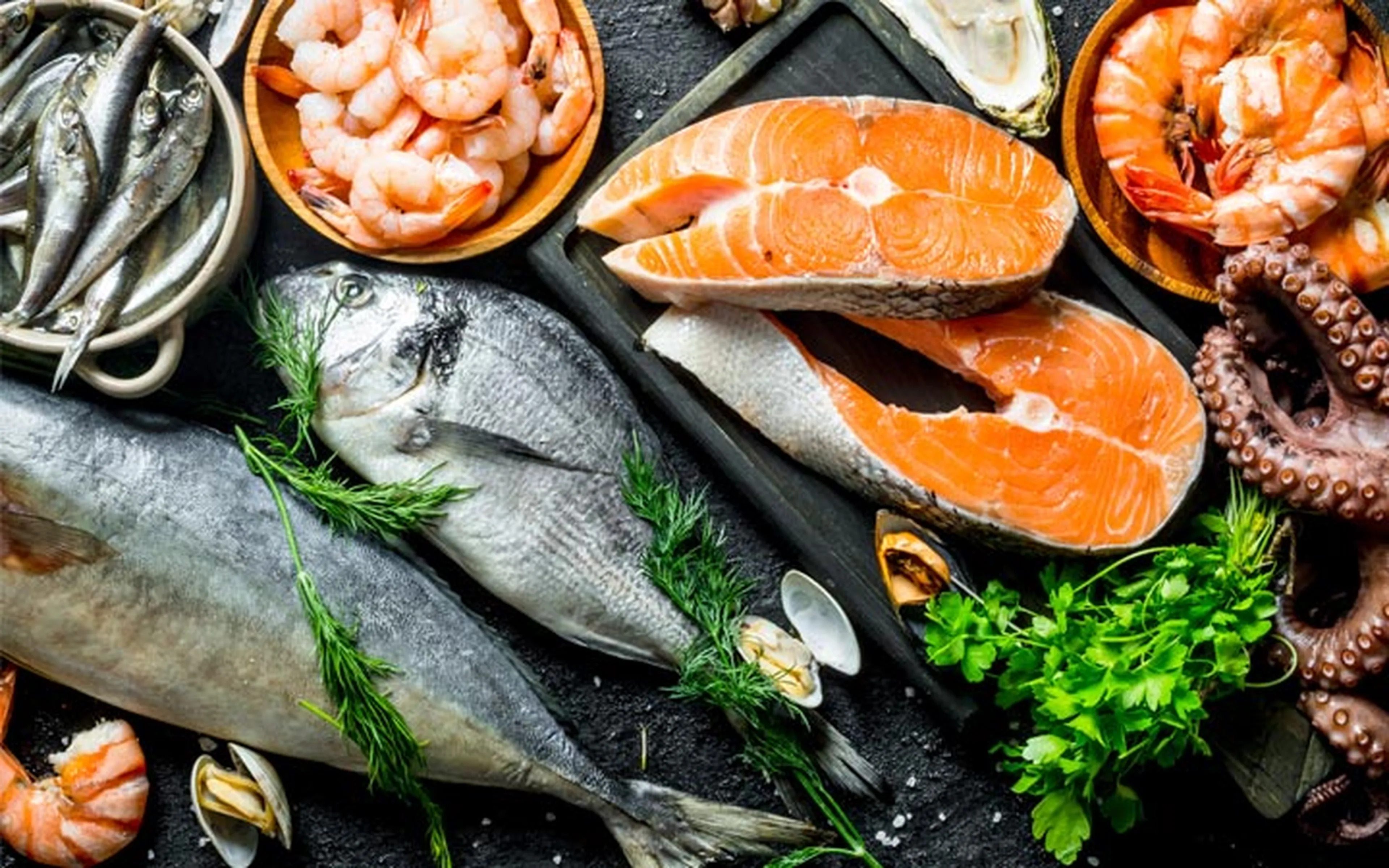
Furan can be present in a wide variety of food products, ranging from coffee, cocoa, dried fruit, and nuts, to various grain products. Particularly high amounts of furan have been identified in food products that are either roasted or heated in closed containers, such as canned goods and convenience food. In the case of convenience food, in general jars of baby food with pasta, meat, and vegetables display elevated levels of furan. Furan intake in children is mainly due to the consumption of roasted or puffed breakfast cereal products, dried fruit, and snacks such as popcorn. In adults, coffee consumption is the largest source.
In order to estimate the potential health risks of furan intake, animal trials were carried out. The results of these tests demonstrated that elevated furan intake could have carcinogenic effects on the laboratory animals. However, the research has not yet definitively determined which metabolism underlies the tumor formation, and at the moment it is still unclear whether long-term consumption of small amounts of furan in the diet can also lead to cancer or other adverse health effects in humans. Since the current data set is not yet sufficient to comprehensively assess human dietary exposure to furan, the World Health Organization (WHO) has classified furan as possibly carcinogenic to humans. Furthermore, due to this lack of data, no maximum levels (e.g. a tolerable daily intake, TDI) have been set, which is why the “margin of exposure” was calculated instead. This indicates that the level of exposure to furan in food can potentially be a health concern.
In order to reduce furan intake, there are several different potential measures that can be taken. Simply by consuming more freshly prepared meals and avoiding convenience food and canned food, one’s exposure can be reduced significantly. If these are consumed nevertheless, then these products, especially baby food, should be warmed in an open container and stirred continuously so that these volatile substances can escape. As is the case with acrylamide, the furan content rises with increasing browning. That’s why it is also important in this case to prepare the food according to the motto “browned but not burned.”
The GBA Group can analyze furan and methyfurans in your food products, including coffee, by means of gas-chromatography coupled with mass spectrometry, and will provide you with comprehensive consulting on this topic if you have any questions.
**Sources: **
https://www.bfr.bund.de/de/fragen_und_antworten_zu_furan_in_lebensmitteln-127914
https://www.efsa.europa.eu/en/press/news/furan-food-efsa-confirms-health-concerns
Service
Offerte- en terugbelservice
Wilt u een offerte op maat of heeft u specifieke vragen? Maak gebruik van onze offerte- en terugbelservice! U kunt ons ook telefonisch bereiken via: Tel. +32 14 44 34-74